
National conference on Outcome Based Education
About the Conference
Recent research devoted to the study of outcome Based Education has created deeper awareness and understanding of teaching learning processes. Despite these great strides, there is still more work that remains to be done. Gaps in understanding about Outcome Based Education persist despite an increase in its adoption .The aim of this conference is to explore innovative ways to research and address these issues. This conference is designed to encourage the society and participants to think creatively about how new strategies might forge new ground in understanding and addressing issues in Outcome Based Education so that higher education can be transformed meaningfully across the globe.
This Conference would also provide an opportunity for cross cultural and cross border intellectual exchange by reaching out to national as well as international audience.
Objective
While the adoption of OBE in engineering institutes may be considered a step forward, the real success needs appropriate and meaningful adoption of the stringent guidelines for quality enhancement of the education being imparted.
Conference Benefits
The participants will be able to evolve a toolkit for partnership and sharing of ideas in curriculum design, teaching pedagogies and assessment techniques.
Relevance of the Topic
Emphasis on OBE has become even more relevant in the post pandemic times. The pandemic teaching and learning were deeply affected by the slow and shaky adoption of the online technology. While teaching techniques changed to suit respond to the changed times, the learner centered focus was also eroded. The assessment techniques had to be adapted and designed to fit in with the tools at the disposal of the faculty.
Student engagement, a key aspect of student- centered learning, was affected as admitted by students themselves. So, all the aspects of OBE, which are generally a ground for criticism, surfaced, namely, generality, assessment problems, involvement, external factors that affect students etc.
Hence, it is important that these issues are brought up and discussed at a common platform. The Conference is relevant because of the following:
1. It shall bring to the fore challenges faced in implementing OBE in the pandemic driven teaching-learning
2. Discussions around strengthening the OBE framework to adapt to any medium of teaching- learning process.
3. Suggesting newer pedagogies, assessment techniques to strengthen the student engagement and active learning strategies

Conference Dates
17-04-2023 to 18-04-2023
Conference Agenda
- Paradigms on Teaching and Learning in OBE
- Relevance of Project Based Learning in OBE
- Relevance of Research Integrated Learning in OBE
- Reflection in Education and OBE


Venue
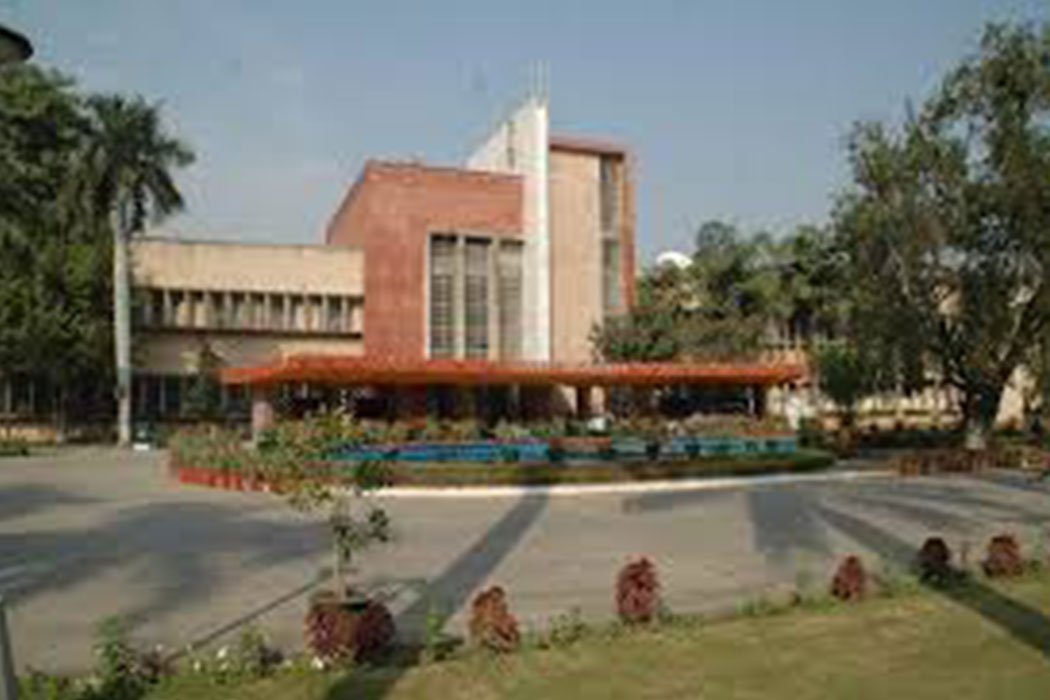
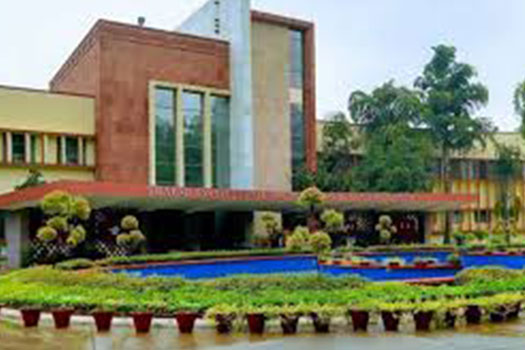
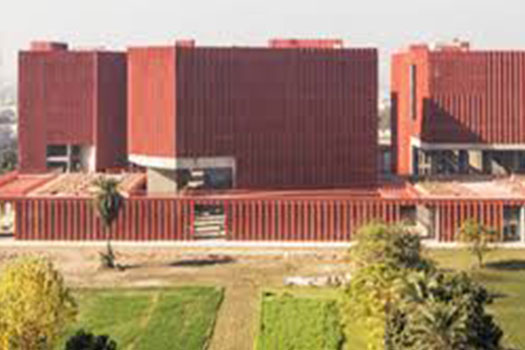
CAPSL - Centre for Academic Practices and Student Learning
Address: Patiala

About the CAPSL
CAPSL (Centre for Academic Practices and Student Learning) was started in the year 2016 in collaboration with Trinity College Dublin under the present contemporisation program at TIET. The basic objective of this new direction program is to motivate and train the faculty members of various Departments to excel in their teaching by shifting from Teacher centric learning to student centric learning. The program focuses on the professional development of the faculty by training them through various modules, showcase events, Community of Practices (COP), expert session etc. After completion of preliminary module, the interested faculty members are also sent to Trinity College Dublin for further learning of advanced modules. The faculty members who have completed the advanced modules become the trainers for the trainee faculty. Dr. Michael Wride, Dr. Michelle Share and Dr. Ciara O’Farrell from Trinity College Dublin are also part of the training program during both preliminary modules and advanced modules.
About the TIET
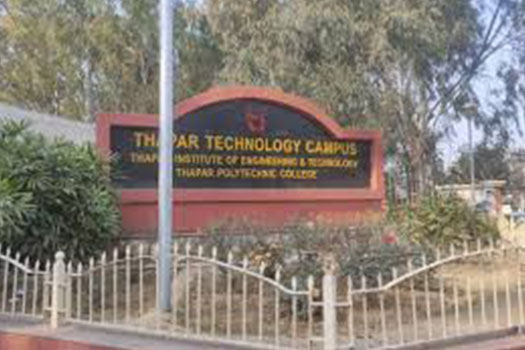
The Thapar Institute of Engineering and Technology (TIET) is one of India’s oldest and finest educational institutions, which provides a steady source of highly skilled talent to the nation as well as overseas. Founded in 1956 with a campus spread across sprawling 250 acres, Thapar Institute of Engineering & Technology, located in Patiala, has been a pioneer in engineering education, research and innovation. Our community involves ingenious minds solvers who are eager to make the world a better place to live in with their innovative techniques and discoveries.
About Patiala
Patiala is a city in southeastern Punjab, northwestern India. It is the fourth largest city in the state and is the administrative capital of Patiala district. Patiala is the erstwhile princely state of Punjab, which is situated in the Malwa region. The city covers a total area of 365 km. It is a judicious synthesis of a brilliant spectrum of Rajput, Mughal and Punjabi cultures and a fine blend of modernity and tradition. The City of Patiala is located around the Qila Mubarak (An original fort from where the city started evolving). It was constructed by chieftain ‘Baba Ala Singh’, who founded the royal dynasty of the Patiala State in 1763. The citizens of Patiala boastfully consider themselves the torchbearers of Punjabi culture and heritage. The intricate and beautiful artwork of Phulkari, the bright colors of Patiala Pagadi, Parandi and Jutti, the largeness of the Patiala peg and the comfort of Patiala salwar, form the essence of the city of Patiala. The handicrafts of Patiala are intricate and beautiful like the Phulkari embroidery. Also, Juttis, a traditional footwear, the Patiala Turban and the Patiala salwar are known for their comfort and style statement.