Chat
+91 9041725050
9.30 am - 5.30 pm Mon to Sat
Request Callback
  • Login
  • Sign up
    • Home
      • About Us
      • Company Profile
    • Events
      • Cinnamon Seminar
      • CPEIS-2026
      • Flow Chemistry India 2026 (FCI26)
      • Past Events
    • Event Sciences
      • Conference Management
      • Physical Events
      • Virtual Events
      • Tech. Exhibitions
      • Networking
      • Sponsorship
      • Oral/Poster Presentation
    • Resources
      • Blogs
    • Gallery
    • Contact Us

    CRISPR Construct Design

    Overview 

    The application of CRISPR-based genome editing technology in plant science has opened up a new era of possibilities for improving crop traits, studying gene functions, and increasing agricultural production sustainably. To harness the full potential of CRISPR for plant genome editing, researchers need a sound understanding of how to design suitable CRISPR gene constructs. This webinar, titled "CRISPR Construct Design for Efficient Genome Editing in Plants," offers an in-depth knowledge of the critical steps involved in designing and delivering CRISPR reagents that ensure precise and effective genome editing outcomes.


    The webinar will begin with an overview of how to choose the appropriate CRISPR nuclease enzyme, such as Cas9 or Cpf1, based on the specific plant gene editing and desired outcomes. Choosing the right nuclease is crucial for ensuring efficient and accurate genome editing.

    The participants will learn how to select suitable target sites in the genome and design effective guide RNAs (gRNAs) for targeting specific regions. The use of various web-based software tools that simplify gRNA design, ensuring high specificity and efficiency will be explained. The webinar will also cover the design of genome editing constructs, focusing on selecting appropriate promoters to express the Cas gene and gRNA(s) in plants. Strategies for expressing multiple gRNAs and enhancing the stability of CRISPR reagents will also be discussed.

    To further optimize genome editing, the participants will explore codon optimization of Cas genes and use introns to improve editing efficiency. Attendees will learn advanced techniques for designing gene constructs for multiplex CRISPR-based genome editing, allowing simultaneous editing of multiple genes. Finally, we will cover various methods for delivering CRISPR constructs into plant genomes, ranging from traditional approaches like Agrobacterium-mediated transformation to innovative techniques like nanoparticle delivery.

    This webinar offers essential insights for anyone involved in plant genome editing. So, don’t miss this opportunity to enhance your skills in CRISPR technology!

    This Workshop-cum-Webinar will be held online on December 4-6, 2024 with daily sessions from 5:00 pm to 8:00 pm.

    Certificates will be given to all the participants.

    Attendee Profile

    Students, scholars, scientists and researchers from both academics and industry are encouraged to participate and take the benefit of learning details of this innovative, powerful technology from national and international experts.

    The workshop-cum-webinar is ideal for plant biologists, geneticists, breeders and researchers who are engaged on applying the CRISPR technology to elucidate gene functions and enhance our understanding on various plant traits for crop improvement.

    PAYMENT QR CODE

    ContactsOrganizing Secretary

    Ms Farheen Zainab, Email: f.zainab@glostem.com; M: 7696225050

    Event Manager

    Ms Swati Kanwar, Email: s.kanwar@glostem.com; M: 8289015050

    Registration Assistence

    Mr Aditya Sharma, Email: a.sharma@glostem.com; M: 7696025050

    Conference Dates

    04-12-2024 to 06-12-2024
    Kutubuddin A Molla
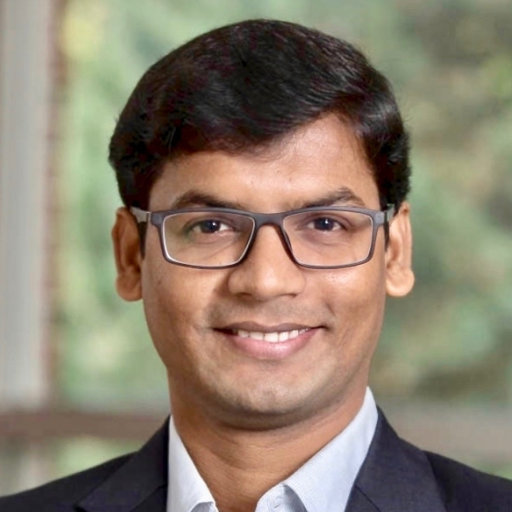
    Kutubuddin A Molla
    Scientist - ICAR-NRRI, Cuttack, India
    Satendra Kumar Mangrauthia
    Satendra Kumar Mangrauthia
    Senior Scientist - ICAR - IIRR, Hyderabad, India
    Sudhakar Reddy Palakolanu
    Sudhakar Reddy Palakolanu
    Scientist - Cell, Molecular Biology & Trait Engineering, ICRISAT, Hyderabad, India
    Soham Ray
    Soham Ray
    Scientist - Division of Plant Physiology, ICAR-IARI, New Delhi, India
    Yogesh Taparia
    Yogesh Taparia
    CEO - PhytoBioworks Pvt Ltd, Bangalore, India
    Tom Schreiber
    Tom Schreiber
    Dept. Cell- and Metabolic Biology - Leibniz Institute of Plant Biochemistry, Germany
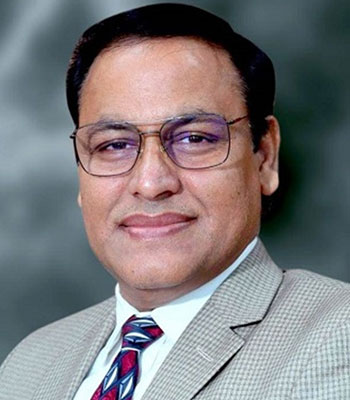
    Prof KC Bansal
    Prof KC Bansal
    Adjunct Professor - Murdoch University, Australia
    Viswanathan Chinnusamy
    Viswanathan Chinnusamy
    Principal Scientist - IARI, New Delhi, India
    Ashwani Pareek
    Ashwani Pareek
    Executive Director - DBT - NABI, Mohali, India

    Kutubuddin A Molla's Biography

    Kutubuddin A Molla

    Scientist

    ICAR-NRRI, Cuttack

    Prof Kutubuddin A Molla, Scientist from ICAR-NRRI Odisha, India. Dr. Molla's areas of specialization are CRISPR/Cas tools development, Precise Genome Editing, Base Editing, Genetic Engineering, Transgenesis, Host-pathogen interaction.
    His previous positions were: He was Fullbright Visiting Scholar, Plant Pathology and Environmental Microbiology, Pennsylvania State University, USA (2017-2019). He was the Scientist, Division of Genomic Resources, ICAR-National Bureau of Plant Genetic Resources, New Delhi. He has many publications and book chapters to his credit and is the recipient of many awards and recognitions.


    Satendra Kumar Mangrauthia's Biography

    Satendra Kumar Mangrauthia

    Senior Scientist

    ICAR - IIRR, Hyderabad

    Senior Scientist of Plant Biochemistry at ICAR-Indian Institute of Rice Research, Dr. Mangrauthia earned his bachelor\'s degree in Agriculture and Animal Husbandry from C.S.A. University of Agriculture & Technology Kanpur (2001); his master (2004) and doctorate degrees (2008) in Biochemistry from the Indian Agriculture Research Institute New Delhi. He did Postdoc from Purdue University, USA, and also was a visiting scientist at Heinrich Heine University Germany (2019) and at Louisiana State University USA (2020).

    He is known for his creative and path-breaking research in the area of hot-pathogen interaction, pathogen genomics, epigenetics, and molecular mechanisms of environmental stresses. His laboratory at Indian Institute of Rice Research developed diagnostic tools for identification of RTBV and RTSV viruses, genome sequencing and genes characterization of RTBV and RTSV, molecular and physiological basis of host-virus interaction, development of virus and fungal resistant plants using RNAi.

    His laboratory has also contributed to understand the fundamentals of molecular mechanisms of environmental stresses (high temperature tolerance, low P tolerance) and development and release of tolerant genetic stocks and heat tolerant rice varieties. Currently, Dr Mangrauthia is leading a research program on deployment of genome editing to create improved alleles in popular, elite, and mega rice cultivars of India. He has published 80 research papers, 18 review papers, 20 book chapters and authored 4 books. Dr. Satendra has won several grants of DST, DBT, and ICAR to carry out the research in frontier areas of plant biology. He is reviewer of many high impact journals and editor of Frontiers in Plant Science, BMC Plant Biology, Journal of Plant Biochemistry and Biotechnology, and Journal of Rice Research.


    Sudhakar Reddy Palakolanu's Biography

    Sudhakar Reddy Palakolanu

    Scientist

    Cell, Molecular Biology & Trait Engineering, ICRISAT, Hyderabad

    Dr Sudhakar Reddy Palakolanu works in the Cell, Molecular Biology & Trait Engineering Cluster (CMBTE) of the Research Program for Accelerated Crop Improvement at ICRISAT headquarters in Hyderabad,India. With over a decade of experience in molecular biology and gene research, Reddy specializes in discovering and characterizing genes associated with complex traits using advanced biotechnological techniques. Dr. Reddy\'s academic background includes a Ph.D. in Plant Molecular Biology from the International Centre for Genetic Engineering and Biotechnology (ICGEB) in New Delhi. Dr Reddy\'s expertise encompasses various aspects of plant molecular biology, functional genomics, and gene editing. Dr Reddy\\\\\\\\\\\\\\\'s primary focus involves establishing innovative technologies for dissecting and implementing traits in dryland crops. This entails using cutting-edge biotechnological tools to validate candidate genes identified through trait dissection in biological systems. His contributions have garnered recognition in the form of national awards, including the Young Scientist and Inspire Faculty awards from the Department of Science and Technology (DST), Government of India. Additionally, Dr Reddy received a prestigious Postdoctoral Fellowship from the German Academic Exchange Service (DAAD), allowing him to conduct research in Germany. His prolific research output comprises over 50 research articles, eight book chapters, two books, and two patents. Dr Reddy also serves as a reviewer for esteemed international journals such as Trends in Plant Science, Frontiers in Plant Science and BMC Plant Biology.


    Soham Ray's Biography

    Soham Ray

    Scientist

    Division of Plant Physiology, ICAR-IARI, New Delhi

    Dr. Soham Ray is a Senior Scientist (Agricultural Biotechnology) in the Division of Plant Physiology at ICAR–Indian Agricultural Research Institute (IARI), New Delhi. He completed his M.Sc. and Ph.D. in Molecular Biology and Biotechnology from IARI and began his scientific career at ICAR–Central Rice Research Institute (CRRI) in 2012. In 2020, he joined IARI, where he has since been actively involved in genome-editing research. His work centres on plant stress biology, with the goal of understanding how crops respond to major biotic and abiotic stresses and contributing to the development of climate-resilient varieties. During his Ph.D., Dr. Soham Ray cloned and characterized the AvrPi54 gene from the rice blast pathogen Magnaporthe oryzae, for which he holds a patent. As a scientist, he has developed a novel strategy for identification of low-cost cross-transferable co-dominant markers to facilitate gene introgression from wild-relatives to cultivated crops and also contributed to studies on plant responses to environmental stresses individually and in combinations. He has also developed a copyrighted Windows-based software tool CRISP- PTG-Assembler that streamlines primer design for multiplex CRISPR/Cas9 applications. Besides, he is a co-developer of the genome-edited rice Pusa DST1 developed by ICAR- IARI. Dr. Soham Ray is the recipient of the Prof. M. Udayakumar Memorial Young Scientist Award (2023) conferred by Indian Society for Plant Physiology and the Young Scientist Award (2024) conferred by the Academy of Agricultural Science, Kalyani, West Bengal. His current research employs genetic screens, including overexpression and CRISPR/Cas9- mediated gene knockout, to support the development of stress-resilient crop varieties.


    Yogesh Taparia's Biography

    Yogesh Taparia

    CEO

    PhytoBioworks Pvt Ltd, Bangalore

    Dr Yogesh Taparia is currently the co founder of PhytoBioworks Pvt Ltd which is involved in crop improvement research. His expertise in cloning and transformation has been honed during his stint with the Genetic Discovery division at Corteva. He has extensive experience in transformation of commercial crops and model plant systems.


    Tom Schreiber's Biography

    Tom Schreiber

    Dept. Cell- and Metabolic Biology

    Leibniz Institute of Plant Biochemistry

    Tom is currently working as a Post Doc in the lab of Alain Tissier (2015-now). His main interests are regulatory tools for programmable nucleic acid targeting (TALEs, amiRNAs, CRISPR systems) and their application in synthetic circuits, metabolic engineering as well as genome editing in plants.Tom started his scientific career in the field of plant-pathogen interactions. During his PhD in the lab of Ulla Bonas (2010-2015, MLU Halle) he worked on transcription activator-like effectors (TALEs). During this time Tom worked with transcriptional regulation and mechanistic insights of nucleic acid binding proteins. After PhD he moved to the field of synthetic biology in the lab of Alain Tissier (2015-now, IPB Halle).


    Prof KC Bansal's Biography

    Prof KC Bansal

    Adjunct Professor

    Murdoch University

    Professor KC Bansal is a former Director of the National Bureau of Plant Genetic Resources, Indian Council of Agricultural Research (ICAR), New Delhi. He also spearheaded the National Transgenic Crop Network across various ICAR research institutions.
    His research interests include functional genomics and transgenic development for abiotic stress tolerance in plants; developed the first series of transgenic crops with improved tolerance to drought and salt stress. His work on functional characterization of LEA, MYB, sHSP and osmotin gene is well known. The first ABA receptor gene OsPYL10 from an Indian drought tolerant rice landrace was cloned by his lab.
    He took an unprecedented initiative to evaluate the entire wheat germplasm (~ 22000 accessions) conserved at the Indian National Genebank, and identified trait-specific reference sets.
    Prof. Bansal served as Vice-Chair (Asia), Commission on Genetic Resources for Food and Agriculture, FAO, United Nations (2013-15). He is recipient of the Indian Science Congress award conferred on him by the Prime Minister of India, and the Haryana Vigyan Ratna (Highest State Science award).
    Prof. Bansal is elected Fellow of the National Academy of Agricultural Sciences, and the National Academy of Science, India. He serves on the Editorial Board of the Plant Biotechnology Journal.


    Viswanathan Chinnusamy's Biography

    Viswanathan Chinnusamy

    Principal Scientist

    IARI, New Delhi

    Dr. C Viswanathan, Principal Scientist & Head, Indian Agricultural Research Institute, New Delhi, India, heading Division of Plant Physiology currently. His international experience includes various programs, contributions and participation in different countries for diverse fields of study.  His research interests reflect in his wide range of publications in various national and international journals.He has been awarded by  ICAR Jawaharlal Nehru Award, DST BOYSCAST Fellowship Award,ISPP J.J. Chinoy Gold Medal.


    Ashwani Pareek's Biography

    Ashwani Pareek

    Executive Director

    DBT - NABI, Mohali


    Conference Agenda

    • Choosing appropriate CRISPR nuclease enzyme
    • Selection of a suitable target site in the genome
    • Designing an effective gRNA against the specific target
    • Strategies to enhance the stability of CRISPR reagents
    • Designing genome editing constructs
    • Delivery of genome editing constructs into plant cells

    Agenda Topics for CRISPR Construct Design

    • Choosing appropriate CRISPR nuclease enzyme
    • Selection of a suitable target site in the genome
    • Designing an effective gRNA against the specific target
    • Strategies to enhance the stability of CRISPR reagents
    • Designing genome editing constructs
    • Delivery of genome editing constructs into plant cells

    Upcoming Conferences

    AI, and ML in Pharmaceutical R&D and Manufacturing Workflows
    23 - 24 Apr, 2026

    Cinnamon Seminar

    Details
    AI, and ML in Pharmaceutical R&D and Manufacturing Workflows
    14 - 15 May, 2026

    CPEIS-2026

    Details
    AI, and ML in Pharmaceutical R&D and Manufacturing Workflows
    10 - 11 Sep, 2026

    Flow Chemistry India 2026 (FCI26)

    Details
    Conference Chair
    Prof KC Bansal

    Prof KC Bansal's Biography

    Prof KC Bansal

    Adjunct Professor

    Murdoch University

    Professor KC Bansal is a former Director of the National Bureau of Plant Genetic Resources, Indian Council of Agricultural Research (ICAR), New Delhi. He also spearheaded the National Transgenic Crop Network across various ICAR research institutions.
    His research interests include functional genomics and transgenic development for abiotic stress tolerance in plants; developed the first series of transgenic crops with improved tolerance to drought and salt stress. His work on functional characterization of LEA, MYB, sHSP and osmotin gene is well known. The first ABA receptor gene OsPYL10 from an Indian drought tolerant rice landrace was cloned by his lab.
    He took an unprecedented initiative to evaluate the entire wheat germplasm (~ 22000 accessions) conserved at the Indian National Genebank, and identified trait-specific reference sets.
    Prof. Bansal served as Vice-Chair (Asia), Commission on Genetic Resources for Food and Agriculture, FAO, United Nations (2013-15). He is recipient of the Indian Science Congress award conferred on him by the Prime Minister of India, and the Haryana Vigyan Ratna (Highest State Science award).
    Prof. Bansal is elected Fellow of the National Academy of Agricultural Sciences, and the National Academy of Science, India. He serves on the Editorial Board of the Plant Biotechnology Journal.


    Adjunct Professor,  Murdoch University,
    Australia

    Conference Co-Chair
    Viswanathan Chinnusamy

    Viswanathan Chinnusamy's Biography

    Viswanathan Chinnusamy

    Principal Scientist

    IARI, New Delhi

    Dr. C Viswanathan, Principal Scientist & Head, Indian Agricultural Research Institute, New Delhi, India, heading Division of Plant Physiology currently. His international experience includes various programs, contributions and participation in different countries for diverse fields of study.  His research interests reflect in his wide range of publications in various national and international journals.He has been awarded by  ICAR Jawaharlal Nehru Award, DST BOYSCAST Fellowship Award,ISPP J.J. Chinoy Gold Medal.


    Principal Scientist,  IARI, New Delhi,
    India

    Conference Co-Chair
    Ashwani Pareek

    Ashwani Pareek's Biography

    Ashwani Pareek

    Executive Director

    DBT - NABI, Mohali


    Executive Director,  DBT - NABI, Mohali,
    India

    Convener
    Kutubuddin A Molla

    Kutubuddin A Molla's Biography

    Kutubuddin A Molla

    Scientist

    ICAR-NRRI, Cuttack

    Prof Kutubuddin A Molla, Scientist from ICAR-NRRI Odisha, India. Dr. Molla's areas of specialization are CRISPR/Cas tools development, Precise Genome Editing, Base Editing, Genetic Engineering, Transgenesis, Host-pathogen interaction.
    His previous positions were: He was Fullbright Visiting Scholar, Plant Pathology and Environmental Microbiology, Pennsylvania State University, USA (2017-2019). He was the Scientist, Division of Genomic Resources, ICAR-National Bureau of Plant Genetic Resources, New Delhi. He has many publications and book chapters to his credit and is the recipient of many awards and recognitions.


    Scientist,  ICAR-NRRI, Cuttack,
    India

    Speakers & Panelists

    Satendra Kumar Mangrauthia

    Satendra Kumar Mangrauthia's Biography

    Satendra Kumar Mangrauthia

    Senior Scientist

    ICAR - IIRR, Hyderabad

    Senior Scientist of Plant Biochemistry at ICAR-Indian Institute of Rice Research, Dr. Mangrauthia earned his bachelor\'s degree in Agriculture and Animal Husbandry from C.S.A. University of Agriculture & Technology Kanpur (2001); his master (2004) and doctorate degrees (2008) in Biochemistry from the Indian Agriculture Research Institute New Delhi. He did Postdoc from Purdue University, USA, and also was a visiting scientist at Heinrich Heine University Germany (2019) and at Louisiana State University USA (2020).

    He is known for his creative and path-breaking research in the area of hot-pathogen interaction, pathogen genomics, epigenetics, and molecular mechanisms of environmental stresses. His laboratory at Indian Institute of Rice Research developed diagnostic tools for identification of RTBV and RTSV viruses, genome sequencing and genes characterization of RTBV and RTSV, molecular and physiological basis of host-virus interaction, development of virus and fungal resistant plants using RNAi.

    His laboratory has also contributed to understand the fundamentals of molecular mechanisms of environmental stresses (high temperature tolerance, low P tolerance) and development and release of tolerant genetic stocks and heat tolerant rice varieties. Currently, Dr Mangrauthia is leading a research program on deployment of genome editing to create improved alleles in popular, elite, and mega rice cultivars of India. He has published 80 research papers, 18 review papers, 20 book chapters and authored 4 books. Dr. Satendra has won several grants of DST, DBT, and ICAR to carry out the research in frontier areas of plant biology. He is reviewer of many high impact journals and editor of Frontiers in Plant Science, BMC Plant Biology, Journal of Plant Biochemistry and Biotechnology, and Journal of Rice Research.


    Senior Scientist,  ICAR - IIRR, Hyderabad,
    India

    Sudhakar Reddy Palakolanu

    Sudhakar Reddy Palakolanu's Biography

    Sudhakar Reddy Palakolanu

    Scientist

    Cell, Molecular Biology & Trait Engineering, ICRISAT, Hyderabad

    Dr Sudhakar Reddy Palakolanu works in the Cell, Molecular Biology & Trait Engineering Cluster (CMBTE) of the Research Program for Accelerated Crop Improvement at ICRISAT headquarters in Hyderabad,India. With over a decade of experience in molecular biology and gene research, Reddy specializes in discovering and characterizing genes associated with complex traits using advanced biotechnological techniques. Dr. Reddy\'s academic background includes a Ph.D. in Plant Molecular Biology from the International Centre for Genetic Engineering and Biotechnology (ICGEB) in New Delhi. Dr Reddy\'s expertise encompasses various aspects of plant molecular biology, functional genomics, and gene editing. Dr Reddy\\\\\\\\\\\\\\\'s primary focus involves establishing innovative technologies for dissecting and implementing traits in dryland crops. This entails using cutting-edge biotechnological tools to validate candidate genes identified through trait dissection in biological systems. His contributions have garnered recognition in the form of national awards, including the Young Scientist and Inspire Faculty awards from the Department of Science and Technology (DST), Government of India. Additionally, Dr Reddy received a prestigious Postdoctoral Fellowship from the German Academic Exchange Service (DAAD), allowing him to conduct research in Germany. His prolific research output comprises over 50 research articles, eight book chapters, two books, and two patents. Dr Reddy also serves as a reviewer for esteemed international journals such as Trends in Plant Science, Frontiers in Plant Science and BMC Plant Biology.


    Scientist,  Cell, Molecular Biology & Trait Engineering, ICRISAT, Hyderabad,
    India

    Soham Ray

    Soham Ray's Biography

    Soham Ray

    Scientist

    Division of Plant Physiology, ICAR-IARI, New Delhi

    Dr. Soham Ray is a Senior Scientist (Agricultural Biotechnology) in the Division of Plant Physiology at ICAR–Indian Agricultural Research Institute (IARI), New Delhi. He completed his M.Sc. and Ph.D. in Molecular Biology and Biotechnology from IARI and began his scientific career at ICAR–Central Rice Research Institute (CRRI) in 2012. In 2020, he joined IARI, where he has since been actively involved in genome-editing research. His work centres on plant stress biology, with the goal of understanding how crops respond to major biotic and abiotic stresses and contributing to the development of climate-resilient varieties. During his Ph.D., Dr. Soham Ray cloned and characterized the AvrPi54 gene from the rice blast pathogen Magnaporthe oryzae, for which he holds a patent. As a scientist, he has developed a novel strategy for identification of low-cost cross-transferable co-dominant markers to facilitate gene introgression from wild-relatives to cultivated crops and also contributed to studies on plant responses to environmental stresses individually and in combinations. He has also developed a copyrighted Windows-based software tool CRISP- PTG-Assembler that streamlines primer design for multiplex CRISPR/Cas9 applications. Besides, he is a co-developer of the genome-edited rice Pusa DST1 developed by ICAR- IARI. Dr. Soham Ray is the recipient of the Prof. M. Udayakumar Memorial Young Scientist Award (2023) conferred by Indian Society for Plant Physiology and the Young Scientist Award (2024) conferred by the Academy of Agricultural Science, Kalyani, West Bengal. His current research employs genetic screens, including overexpression and CRISPR/Cas9- mediated gene knockout, to support the development of stress-resilient crop varieties.


    Scientist,  Division of Plant Physiology, ICAR-IARI, New Delhi,
    India

    Yogesh Taparia

    Yogesh Taparia's Biography

    Yogesh Taparia

    CEO

    PhytoBioworks Pvt Ltd, Bangalore

    Dr Yogesh Taparia is currently the co founder of PhytoBioworks Pvt Ltd which is involved in crop improvement research. His expertise in cloning and transformation has been honed during his stint with the Genetic Discovery division at Corteva. He has extensive experience in transformation of commercial crops and model plant systems.


    CEO,  PhytoBioworks Pvt Ltd, Bangalore,
    India

    Tom Schreiber

    Tom Schreiber's Biography

    Tom Schreiber

    Dept. Cell- and Metabolic Biology

    Leibniz Institute of Plant Biochemistry

    Tom is currently working as a Post Doc in the lab of Alain Tissier (2015-now). His main interests are regulatory tools for programmable nucleic acid targeting (TALEs, amiRNAs, CRISPR systems) and their application in synthetic circuits, metabolic engineering as well as genome editing in plants.Tom started his scientific career in the field of plant-pathogen interactions. During his PhD in the lab of Ulla Bonas (2010-2015, MLU Halle) he worked on transcription activator-like effectors (TALEs). During this time Tom worked with transcriptional regulation and mechanistic insights of nucleic acid binding proteins. After PhD he moved to the field of synthetic biology in the lab of Alain Tissier (2015-now, IPB Halle).


    Dept. Cell- and Metabolic Biology,  Leibniz Institute of Plant Biochemistry,
    Germany

    Registrations for this conference is closed now.

    Registration

    Registration categories will be published here.

    Menu

    • Home
    • About Us
    • Company Profile
    • Contact Us

    Contact Us

    Unit 21, Level 2, Berkeley Square, Plot No 24, Industrial & Business Park, Phase I, Chandigarh 160002, India

    events@glostem.in

    +91 172 5025050, 9041725050

    • Privacy Policy
    • Terms & Conditions
    • Cancellation & Refund Policy
    © Copyright 2025 Glostem Private Limited. All rights reserved.
    Site Created & Maintained by Digilinkers